
Crude fish oil is an essential raw material for the production of refined fish oil, EPA and DHA concentrates, and omega-3 ingredients used in nutraceuticals, pharmaceuticals, and aquaculture. However, fluctuations in fish catches, changing ocean conditions, fishing restrictions, and rising demand are putting increasing pressure on the global supply chain.

In 2026, the shortage of crude fish oil has become a significant concern for manufacturers and buyers. According to the Marine Ingredients Organisation (IFFO), fish oil production across the countries covered by its member data was down 30% during the first seven months of 2026 compared with the same period in 2025. Reduced raw-material availability in Peru and Chile was a major contributor to the decline.
Understanding the causes of this shortage is essential for manufacturers, refiners, and procurement teams seeking to maintain consistent production and reliable supply.
1. El Niño and Changing Ocean Conditions
One of the major causes of crude fish oil shortages is the impact of El Niño and other changes in ocean conditions.
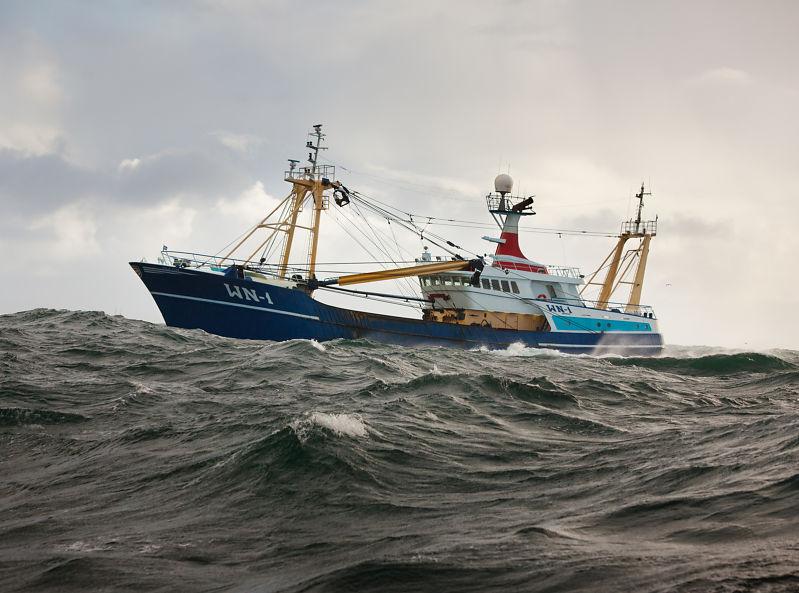
El Niño can increase sea temperatures and alter ocean currents, nutrient availability, and marine ecosystems. These changes can affect the distribution, growth, and abundance of small pelagic fish, particularly anchovies, which are an important raw material for fish oil production.
When fish move away from traditional fishing grounds or become less accessible to fishing vessels, catches can decline. Reduced availability of fish also means less raw material for fish oil processing.
In 2026, warming coastal waters and El Niño-related conditions have placed additional pressure on fisheries in Peru and Chile, contributing to lower marine ingredient production.
2. Reduced Anchovy Catches in Peru
Peru is one of the world’s most important producers of fishmeal and fish oil, largely because of its anchovy fishery.
Peruvian anchovies are particularly valuable for crude fish oil production because they provide an important source of marine lipids used in omega-3 manufacturing.
However, fish availability, environmental conditions, and fishing quotas can significantly affect production.
During the first 2026 North-Central fishing season, Peru’s anchovy quota was approximately 1.91 million metric tonnes. Fishing activity was interrupted, and the season was suspended in June after only around 25% of the quota had been caught, according to IFFO’s August 2026 report.
These disruptions reduced the availability of raw material for fish oil processors and contributed to tighter global supplies.
For international buyers, lower production in Peru can have consequences far beyond South America, particularly when alternative suppliers cannot immediately compensate for the shortfall.
3. Fishing Quotas and Conservation Measures
Fishing quotas are important for maintaining healthy fish populations and supporting the long-term sustainability of marine resources.
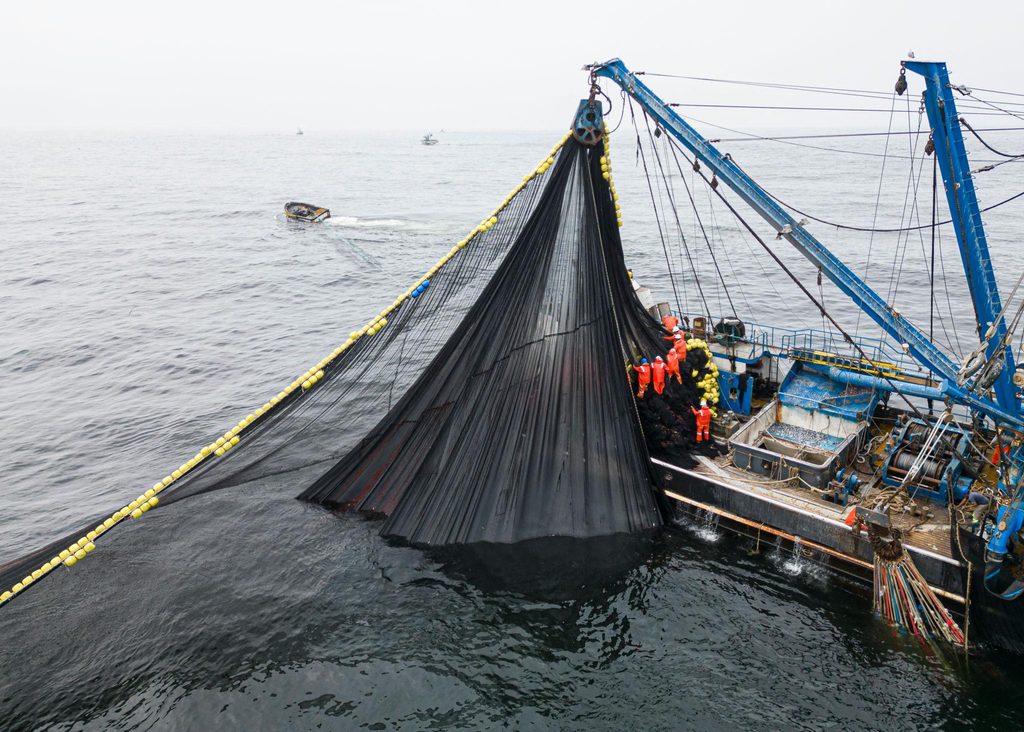
Authorities may reduce quotas, temporarily close fishing areas, or suspend fishing when surveys indicate that fish stocks require protection. A high proportion of juvenile fish can also lead to restrictions to prevent the harvesting of immature fish.
Although these measures help protect future fish populations, they can reduce the amount of fish available for immediate processing.
When fishing restrictions occur during a key production season, fish oil manufacturers may experience lower raw-material intake, reduced processing volumes, and difficulties meeting customer requirements.
Consequently, responsible fisheries management and sustainable sourcing remain important considerations for the long-term stability of the crude fish oil industry.
4. Lower Raw-Material Availability in Other Producing Regions
Although Peru is a major contributor to global marine ingredient supply, the crude fish oil market also depends on production from Chile, Northern Europe, Africa, Asia, and other regions.
In 2026, lower catches and reduced raw-material availability in Chile and several other producing regions have added to the supply challenges.

This creates a wider problem for buyers. When several major producing regions experience lower catches at the same time, sourcing additional volumes from alternative suppliers becomes more difficult.
Different fisheries also have different fishing seasons, species availability, processing capacities, and product characteristics. As a result, replacing unavailable material is not always straightforward.
Diversifying suppliers can help reduce risk, but it cannot completely eliminate the impact of a widespread decline in fish availability.
5. Growing Demand for Fish Oil and Omega-3 Ingredients
Demand is another important factor influencing the crude fish oil market.
Fish oil is used in several industries, including:
- Omega-3 dietary supplements and nutraceuticals
- Pharmaceutical-grade EPA and DHA ingredients
- Refined fish oil production
- Aquaculture and salmon feed
- Animal nutrition and selected pet food applications
As these industries compete for available marine oils, a reduction in raw-material supply can intensify competition among buyers.
Aquaculture is particularly important because fish oil remains a valuable source of essential fatty acids in feed formulations. Omega-3 supplement manufacturers and refiners also depend on reliable supplies of suitable raw materials.
When demand remains strong while production declines, buyers may face higher prices, longer procurement lead times, and greater uncertainty over future availability.
6. Limited Inventory and Supply-Chain Disruptions
A shortage can become more severe when producers, traders, and refiners have limited inventories.
Following earlier periods of supply uncertainty, some businesses may hold less stock than they would prefer. If a new fishing season is delayed or production falls unexpectedly, these limited reserves can make it harder to maintain regular deliveries.
Supply-chain challenges may also involve shipping schedules, export logistics, storage, quality verification, and the time required to arrange alternative sources.
Crude fish oil is not always interchangeable between suppliers. Buyers must consider parameters such as acidity, peroxide value, moisture and impurities, oxidation status, and the intended refining process.
Therefore, securing an alternative source requires more than finding available volume. The material must also meet the buyer’s technical and quality requirements.
7. Crude Fish Oil Yield and Quality Variations
The amount of oil obtained from fish can vary according to species, season, maturity, diet, and biological condition.
Even when fish catches remain reasonably stable, changes in oil content can influence the quantity of crude fish oil produced.
The availability of suitable fish does not automatically guarantee an equivalent volume of oil. Variations in lipid content and processing efficiency can affect the final yield.
For manufacturers, this means that raw-material availability should be evaluated alongside expected oil yield and quality.
Buyers should assess the specifications and intended application of each batch rather than relying solely on the total quantity offered by a supplier.
8. Why the Crude Fish Oil Shortage Matters to Manufacturers
A shortage of crude fish oil can affect several stages of the omega-3 supply chain.
Higher procurement costs: Competition for limited volumes may increase raw-material prices and make purchasing budgets more difficult to manage.
Production uncertainty: Refiners and concentrate manufacturers may struggle to secure enough suitable material to maintain planned production schedules.
Longer lead times: Buyers may need additional time to identify suppliers, arrange shipping, and complete quality checks.
Greater quality-control requirements: Alternative sources may differ in fatty acid composition, oxidation indicators, and other technical characteristics.
Pressure on customer commitments: Manufacturers may find it more difficult to maintain consistent delivery schedules when raw-material supply becomes unpredictable.
These challenges highlight the importance of proactive procurement and closer coordination between suppliers and manufacturers.
9. How Manufacturers Can Manage Crude Fish Oil Sourcing Risks
Although individual companies cannot control global fishing conditions, they can take practical steps to improve supply-chain resilience.
Diversify sourcing options
Avoid depending entirely on one country, fishery, or supplier. Evaluate qualified sources across different producing regions, taking account of seasonal availability and product specifications.
Plan procurement ahead
Monitor fishing seasons, market reports, supplier inventories, and expected production volumes. Early planning can provide more flexibility when the market tightens.
Maintain appropriate inventory
Where financially and operationally practical, establish safety-stock policies based on consumption, lead times, storage conditions, and production requirements.
Verify quality and specifications
Review certificates of analysis and assess relevant parameters such as acid value, peroxide value, anisidine value, fatty acid profile, and other agreed specifications. Testing should match the material’s intended use and the buyer’s quality system.
Build long-term supplier relationships
Consistent communication with suppliers can improve visibility into available volumes, expected shipment dates, and changes in specifications. Long-term relationships can also support more effective procurement planning.
Evaluate alternative raw-material streams
Depending on the intended application and required composition, buyers may investigate fish-processing by-products, other suitable marine oils, or algae-derived oils. Any alternative must be assessed for technical suitability, regulatory requirements, quality, and cost.
10. What Is the Outlook for Crude Fish Oil Supply?
The global outlook remains sensitive to fishing conditions, quota decisions, raw-material availability, and demand.
IFFO reported in October 2026 that fish oil production among the countries covered by its member data remained 26% below the same period in 2025 through August, despite improvement in some regions during August. Its assessment also highlighted continuing uncertainty surrounding Peru’s anchovy fishery.
Seasonal production improvements in regions such as China, India, and Oman may help offset part of the shortfall. However, the extent of any recovery will depend on actual catches, processing activity, and market conditions.
For manufacturers and buyers, the key lesson is that crude fish oil availability can change significantly from one fishing season to another. Procurement decisions should therefore be based on current market information, verified product specifications, and realistic supply commitments rather than assumptions about historical availability.
Conclusion
The crude fish oil shortage is driven by several interconnected factors: El Niño and changing ocean conditions, reduced anchovy catches in Peru, fishing restrictions, lower raw-material availability in other producing regions, strong demand, and limited inventories.
These challenges demonstrate why reliable sourcing is becoming increasingly important for the global omega-3 industry.
For refiners, concentrate producers, and other industrial buyers, working with dependable suppliers, planning procurement early, and maintaining robust quality-control procedures can help reduce supply-chain risks.
As the market continues to evolve, access to suitable raw materials and reliable supplier communication will remain important to maintaining consistent production.
Looking for a reliable crude fish oil supplier?
Nutragen Bio Actives supports the B2B fish oil industry with a focus on marine oil raw materials and omega-3 ingredients. Contact our team to discuss your crude fish oil sourcing requirements, product specifications, and business needs.